Glen Canyon Dam
The wall behind the whole map
⏱ 1 hour👤 All ages$
Get Tickets
Get Glen Canyon Dam Tickets
Skip the line · mobile tickets accepted at the door
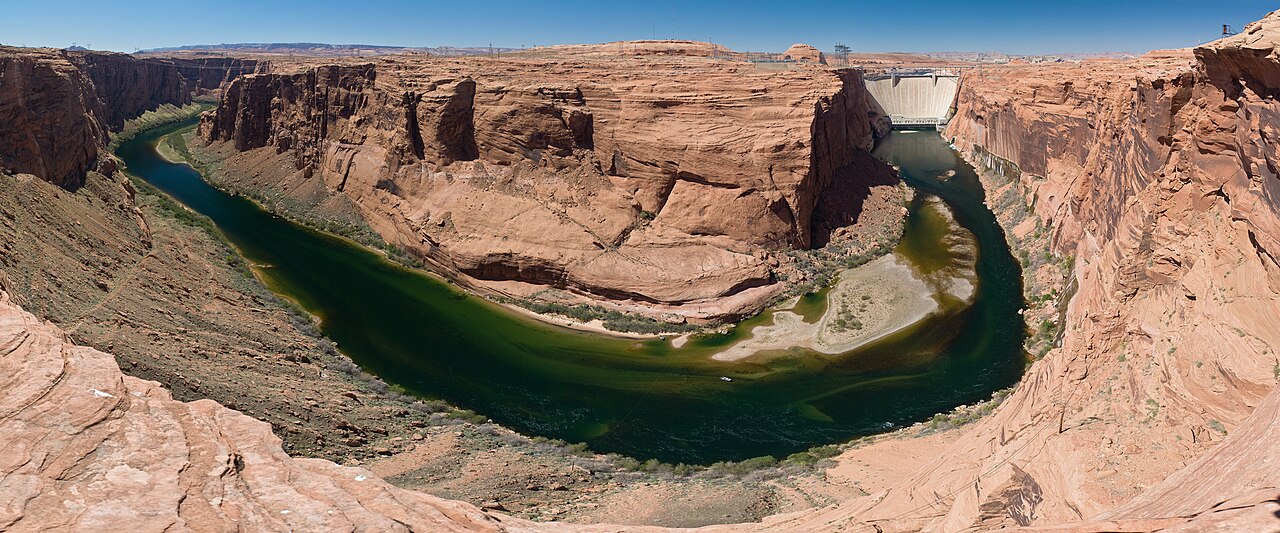
The dam is the region's Rosetta stone: understand it and the whole landscape reads differently. Built 1956-1966 as the upper basin's answer to Hoover — the structure that would bank the Colorado's flow and make the desert's water ledger balance — it flooded what river runners swore was the most beautiful canyon on the plateau, birthed the modern environmental movement's great regret (the Sierra Club's David Brower called losing Glen Canyon his life's failure), created a lake that became its own beloved world, and now stars in the drought century's tensest story as the line drops toward the turbines. The visitor center tells all of it with more candor than you'd expect from federal concrete: construction films and hard-hat lore, the basin's water accounting, and the low-water exhibits that make the white ring on every canyon wall legible.
The viewing is the visit. The center's rim windows look down the dam's face — 710 feet of curve, the penstock intakes, the powerplant at the toe, the green river resuming below — and the exterior overlooks frame the lake side, where the water's distance from the spillway gates measures the era at a glance. Interior dam tours (elevator into the structure, powerplant floor) have run on-and-off with federal security posture for years; when offered they're excellent and cheap — check the current status at the center or the Conservancy rather than building the day on them. The bridge walk costs nothing and outdoes most paid thrills: the steel arch carries Highway 89 directly beside the dam, its pedestrian lane hanging seven hundred feet over the river, with the last unflooded miles of Glen Canyon winding away downstream toward the float-trip route.
Fit in the itinerary: the dam pairs natively with the float trip (which launches from its base — the tunnel ride down is the dam tour most visitors actually get) and the lake entries (whose entire existence it explains), and the visitor center's air conditioning earns strategic respect in July. Photography favors early morning on the lake side and late light on the bridge; the overlook off Highway 89 south of the bridge — a short slickrock walk locals use — adds the postcard angle of dam, bridge, and green river in one frame. Admission free; bridge free; the water story, as the exhibits now admit, still being written.
What to Expect
Format
The 710-foot dam that made Lake Powell, viewed from the free rim-side Carl Hayden Visitor Center and the pedestrian walkway of the adjacent steel-arch bridge. Interior tours run when security posture allows — check current status.
Best Time
Morning for lake-side light, late afternoon for the bridge shot — and any brutal summer midday for the air-conditioned exhibits.
Duration
An hour covers center, overlooks, and the bridge walk.
Tips
Don't promise the interior tour until the center confirms it's running. Walk the bridge — the free vertigo is the best thrill in town. The slickrock overlook south of the bridge adds the dam-plus-river postcard. Pairs naturally before or after the float trip.
⚡ Quick Picks
Best For
Context-seekers and engineering families — the hour that makes the whole region make sense.
Families
Construction films, a wall of dials-and-turbines lore, and a bridge walk that outranks most paid attractions for under-12 awe.
Couples
The bridge at dusk, river glowing green below — a surprisingly good ten minutes.
Pair With
The float trip from the dam's base, or the Wahweap overlooks up the hill for the lake panorama.
Time Needed
An hour.
Ready to book Glen Canyon Dam?
Get Tickets →Frequently Asked Questions
Can we tour inside the dam?
Sometimes — interior tours run when federal security posture allows and have cycled on and off for years. Check current status at the visitor center or with the Glen Canyon Conservancy; the rim windows and bridge deliver regardless.
Does it cost anything?
No — the visitor center and bridge walkway are free. When interior tours operate they're modestly priced and book same-day at the center.
What's the low-water situation?
Lake Powell is running at historic lows and the exhibits now tell that story plainly — the white ring on the canyon walls is the era's measuring stick. Lake access continues; the ledger is the open question.
Is the bridge walk scary?
Pleasantly — a railed pedestrian lane seven hundred feet over the river, steel arch humming under traffic. Vertigo-prone visitors can take the center's windows instead.
How does it fit a Page itinerary?
As the twenty-to-sixty-minute context stop between headliners — ideally right before the float trip, which launches from the dam's base through the security tunnel.
More Antelope Canyon Attractions
Browse all →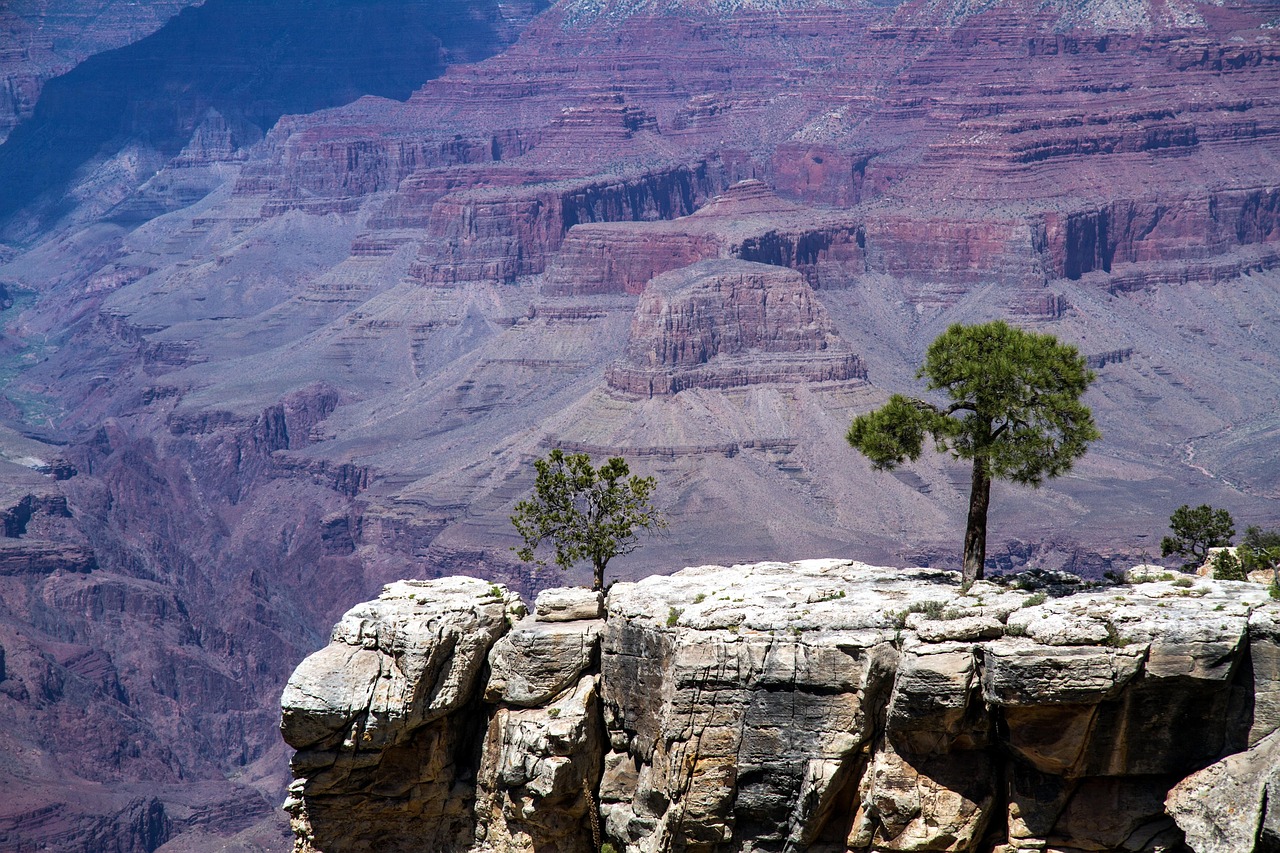
Glen Canyon Float Trip
Raft the Colorado without the whitewater — a smooth-water float from the foot of Glen Canyon Dam through fifteen miles of thousand-foot canyon, directly beneath Horseshoe Bend, to historic Lees Ferry. Page's gentlest big adventure.

Lake Powell Boat Tours
Cruise the drowned-canyon labyrinth from Wahweap Marina — guided tours thread Lake Powell's sandstone narrows past buttes and grottos, with the long-haul Rainbow Bridge run the bucket-list ticket when water levels allow.
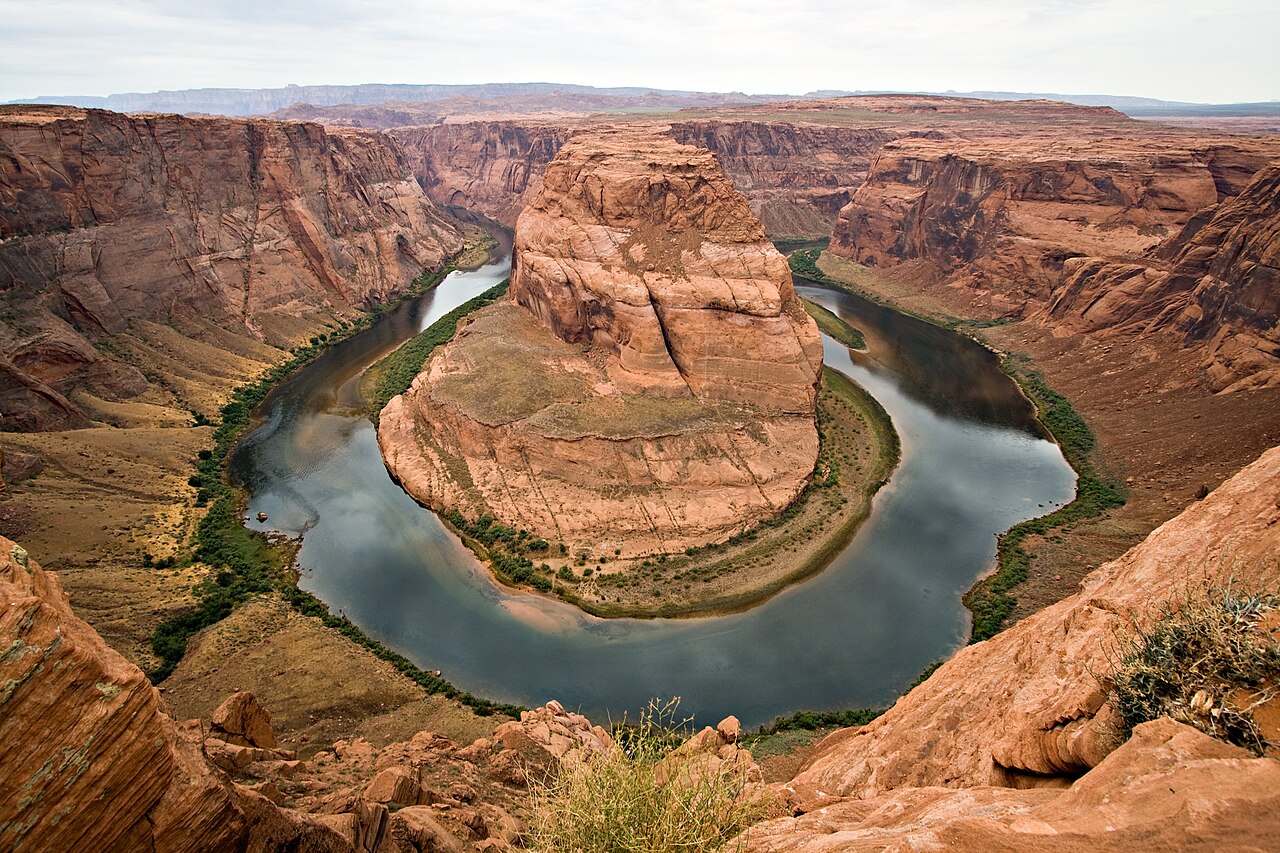
Horseshoe Bend
The thousand-foot bend that broke the internet — the Colorado River's perfect green U carved into red rock, a three-quarter-mile walk from the car, and the mandatory bookend to any slot-canyon day. Pay to park, nothing to book.